Genetics Topics for Presentation: 100+ Comprehensive Ideas


Explore 100+ detailed genetics presentation topics, from basic concepts to advanced research, genetic disorders, and ethical considerations. Perfect for any audience.
100+ Genetics Topics for Presentation (Plus Easy Way to Create Slides with AI)
In this comprehensive guide, we’ve explored over 100 genetics topics spanning fundamental concepts, genetic disorders, molecular genetics, population genetics, genetics in medicine, genetic engineering, ethics, evolutionary genetics, and emerging trends. This vast array of topics ensures that you’ll find something that fits your audience, presentation goals, and personal interests. Use the tips provided to select the perfect topic and create a presentation that will leave a lasting impression.
If you have any additional topics you’d like to explore or need help structuring your presentation, feel free to ask! Happy presenting!
Genetics is a fascinating field that explores the science of genes, heredity, and variation in living organisms. It plays a crucial role in understanding how traits are passed down from one generation to another, the functioning of different biological systems, and even the treatment of various genetic disorders. Whether you’re a student, educator, or professional looking for presentation ideas, this comprehensive list of 100+ genetics topics covers everything from basic concepts to advanced research trends.
Understanding Genetics: An Overview
Before diving into specific topics, it’s essential to grasp the basics of genetics. Genetics is the study of how living organisms inherit features or traits from their ancestors. This field covers everything from the molecular structure and function of genes to how traits are transmitted and expressed in organisms. Key areas include DNA, genes, chromosomes, genetic mutations, and the principles of inheritance.
Categories of Genetics Topics
To make it easier to find the right topic for your presentation, we’ve categorized the topics into various themes:
- Fundamentals of Genetics
- Genetic Disorders
- Molecular Genetics
- Population Genetics
- Genetics in Medicine
- Genetic Engineering and Biotechnology
- Ethics in Genetics
- Evolutionary Genetics
- Genetics and Society
- Emerging Trends in Genetics
1. Fundamentals of Genetics
These topics are perfect for beginners and cover the basic concepts of genetics:
- Mendelian Genetics: Understanding Gregor Mendel’s laws of inheritance.
- DNA Structure and Function: The blueprint of life.
- Gene Expression and Regulation: How genes turn on and off.
- Chromosomes and Chromosomal Disorders: Understanding the role of chromosomes in genetics.
- Genetic Mutations: Types, causes, and effects.
- The Human Genome Project: Mapping human genes.
- Genotype vs. Phenotype: What you inherit vs. what you see.
- Epigenetics: How lifestyle and environment can affect gene expression.
- Polygenic Inheritance: Traits controlled by multiple genes.
- Genetic Drift and Gene Flow: How populations evolve over time.
2. Genetic Disorders
Explore how genetic mutations can lead to various health conditions:
- Down Syndrome: Causes, symptoms, and treatments.
- Cystic Fibrosis: Genetic basis and therapeutic strategies.
- Sickle Cell Anemia: How a single gene mutation causes this disorder.
- Huntington’s Disease: Understanding this neurodegenerative condition.
- Muscular Dystrophy: Genetic causes and potential therapies.
- Hemophilia: The genetics behind this blood disorder.
- Albinism: Genetic mutations leading to a lack of pigmentation.
- Tay-Sachs Disease: Genetic basis and prevention.
- Phenylketonuria (PKU): How diet can manage this genetic disorder.
- BRCA Gene Mutations: Risk factors for breast and ovarian cancer.
3. Molecular Genetics
For those interested in the molecular aspects of genetics:
- DNA Replication: How cells copy their genetic material.
- Gene Cloning: Techniques and applications.
- CRISPR-Cas9: Revolutionizing genetic editing.
- RNA Interference (RNAi): Gene silencing and its applications.
- Transcription and Translation: From DNA to proteins.
- Genetic Recombination: How genes shuffle during reproduction.
- Telomeres and Aging: The role of telomeres in cellular aging.
- MicroRNAs: Small regulators with a big impact.
- Mitochondrial DNA: Inheritance and disorders.
- Exons and Introns: Understanding gene structure.
4. Population Genetics
Study the genetic makeup of populations and how it changes:
- Hardy-Weinberg Principle: Predicting allele frequencies.
- Genetic Bottlenecks: How populations lose genetic diversity.
- Founder Effect: When a small population colonizes a new area.
- Genetic Drift: Random changes in allele frequencies.
- Gene Flow: How migration affects genetic variation.
- Natural Selection: Survival of the fittest in genetic terms.
- Genetic Variation in Human Populations: Understanding human diversity.
- Population Stratification: The impact of subgroups on genetic studies.
- Consanguinity: Genetic effects of inbreeding.
- Human Migration Patterns: Tracing ancestry through genetics.
5. Genetics in Medicine
How genetics plays a role in medical science:
- Pharmacogenomics: Personalized medicine based on genetics.
- Cancer Genetics: How genetic mutations lead to cancer.
- Genetic Counseling: Helping families understand genetic risks.
- Prenatal Genetic Testing: Techniques and ethical considerations.
- Gene Therapy: Correcting genetic defects.
- Stem Cell Research: Potential for treating genetic disorders.
- Precision Medicine: Tailoring treatments to genetic profiles.
- Genetic Markers for Disease: Identifying risk factors.
- Rare Genetic Diseases: Challenges in diagnosis and treatment.
- Genomics in Public Health: Using genetics to track and control diseases.
6. Genetic Engineering and Biotechnology
Topics focused on the manipulation of genetic material:
- Genetically Modified Organisms (GMOs): Benefits and controversies.
- CRISPR Technology: The future of genetic engineering.
- Synthetic Biology: Designing new biological systems.
- Gene Drives: Controlling populations with genetics.
- Cloning: From Dolly the sheep to human cloning debates.
- Genetic Engineering in Agriculture: Improving crop yields and resistance.
- Biotechnology in Medicine: Creating biopharmaceuticals.
- DNA Fingerprinting: Applications in forensics.
- Bioinformatics: Using data to understand genetics.
- Metagenomics: Studying genetic material from environmental samples.
7. Ethics in Genetics
Delve into the ethical considerations of genetic research:
- Designer Babies: The ethics of genetic selection.
- Genetic Privacy: Protecting personal genetic information.
- Eugenics: Historical perspectives and modern implications.
- Ethical Issues in Genetic Testing: Consent, access, and implications.
- Gene Editing Ethics: Where do we draw the line?
- Animal Genetic Modification: Ethical considerations.
- Intellectual Property in Genetics: Patenting genes and their implications.
- Genetic Discrimination: Risks in insurance and employment.
- The Role of Ethics Committees in Genetic Research: Ensuring ethical practices.
- Public Perception of Genetic Technologies: Shaping policy and practice.
8. Evolutionary Genetics
Explore how genetics influences evolution:
- Molecular Evolution: How DNA changes over time.
- Speciation: The role of genetics in the formation of new species.
- Genetic Evidence for Human Evolution: Tracing our ancestry.
- Adaptive Evolution: How species adapt to their environments.
- Molecular Clocks: Dating evolutionary events.
- Convergent Evolution: Different paths, same traits.
- Genetic Basis of Sexual Selection: How genes influence mating behavior.
- Pleiotropy and Evolution: One gene, multiple effects.
- Co-evolution: How species evolve together.
- Horizontal Gene Transfer: Sharing genes across species.
9. Genetics and Society
How genetics influences social issues and policies:
- Genetic Ancestry Testing: Personal and societal impacts.
- Genetics and Education: Tailoring learning based on genetics.
- The Genetics of Intelligence: Controversies and findings.
- Genetic Influences on Behavior: Nature vs. nurture debate.
- Forensic Genetics: Solving crimes with DNA.
- Genetic Testing in Sports: Fair play or advantage?
- Gene Patents: Who owns your genes?
- Genetics in the Courtroom: DNA evidence and legal implications.
- Public Understanding of Genetics: Bridging the knowledge gap.
- Genetics in Pop Culture: How genetics is portrayed in media.
10. Emerging Trends in Genetics
Stay updated with the latest research and advancements:
- Epigenetic Therapy: Reversing diseases by altering gene expression.
- Single-Cell Genomics: Understanding individual cell functions.
- Gene Editing in Embryos: The future of reproductive technology.
- Personalized Nutrition: Tailoring diets to genetic profiles.
- Biobanks and Big Data: Using large datasets to study genetics.
- Artificial Intelligence in Genomics: Enhancing research with AI.
- Gene Editing for Climate Change: Engineering resilient crops.
- Mitochondrial Replacement Therapy: Preventing genetic diseases.
- CRISPR in Space: Genetic research beyond Earth.
- The Future of Genetic Counseling: Evolving with new technologies.
Also read: Interesting Health Topics for Presentation: 100+ Ideas to Engage Your Audience
Tips for Selecting the Right Topic
Choosing the perfect topic depends on your audience, purpose, and interest level. Here are some tips:
- Know Your Audience: Tailor your topic complexity based on your audience’s familiarity with genetics. For beginners, stick to fundamental concepts. For more advanced audiences, explore cutting-edge research or ethical debates.
- Purpose of the Presentation: If your goal is to educate, choose topics that explain basic concepts. If you’re presenting at a conference, focus on new research or controversial topics.
- Personal Interest: Pick a topic you are passionate about. Your enthusiasm will reflect in your presentation and engage your audience.
- Relevance: Choose topics that are currently in the news or part of ongoing debates in the scientific community.
- Visual Aids: Genetics topics often benefit from visual representations like charts, diagrams, and videos. Choose a topic that lends itself well to these tools.
- Complexity: Ensure that the topic is neither too broad nor too narrow. A broad topic might overwhelm the audience, while a narrow one might not provide enough content for a meaningful presentation. Aim for a balance that allows you to cover the topic comprehensively but concisely.
Create Your Genetics Presentation Instantly with AI
Creating a high-quality presentation on genetics can take hours from researching complex topics to organizing content into clear, engaging slides. This is where AI-powered PPT Maker tools can make a significant difference.

With MagicSlides, you can turn any genetics topic into a complete presentation in just a few clicks. Instead of starting from scratch, simply enter your topic such as “CRISPR Technology” or “Genetic Disorders” and let the tool generate a structured outline and ready-to-use slides.
The process is simple and efficient:
- Enter your topic or paste your content

- Select the number of slides and preferred language
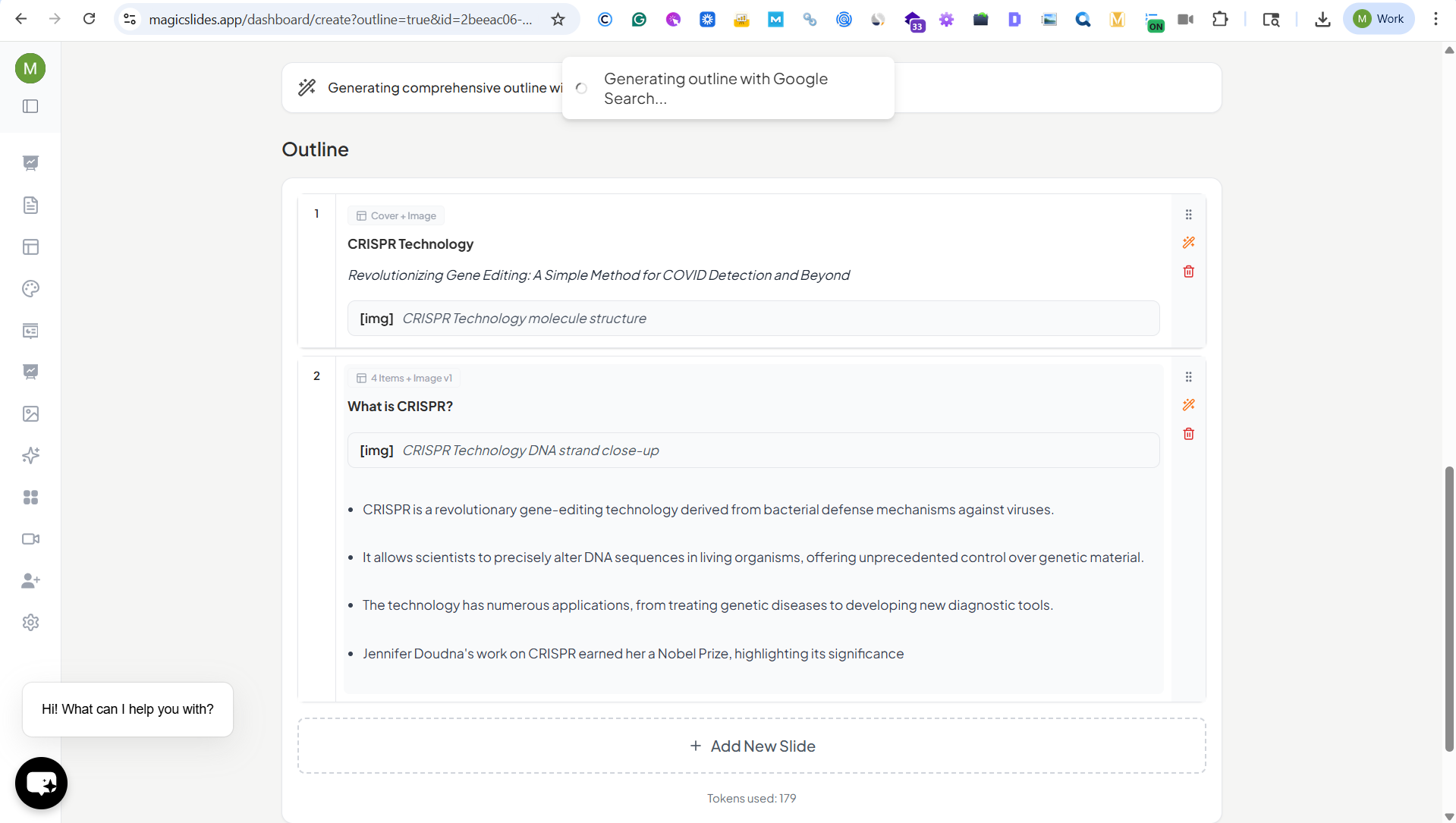
- Generate an outline instantly
- Convert it into a full presentation with visuals and key points
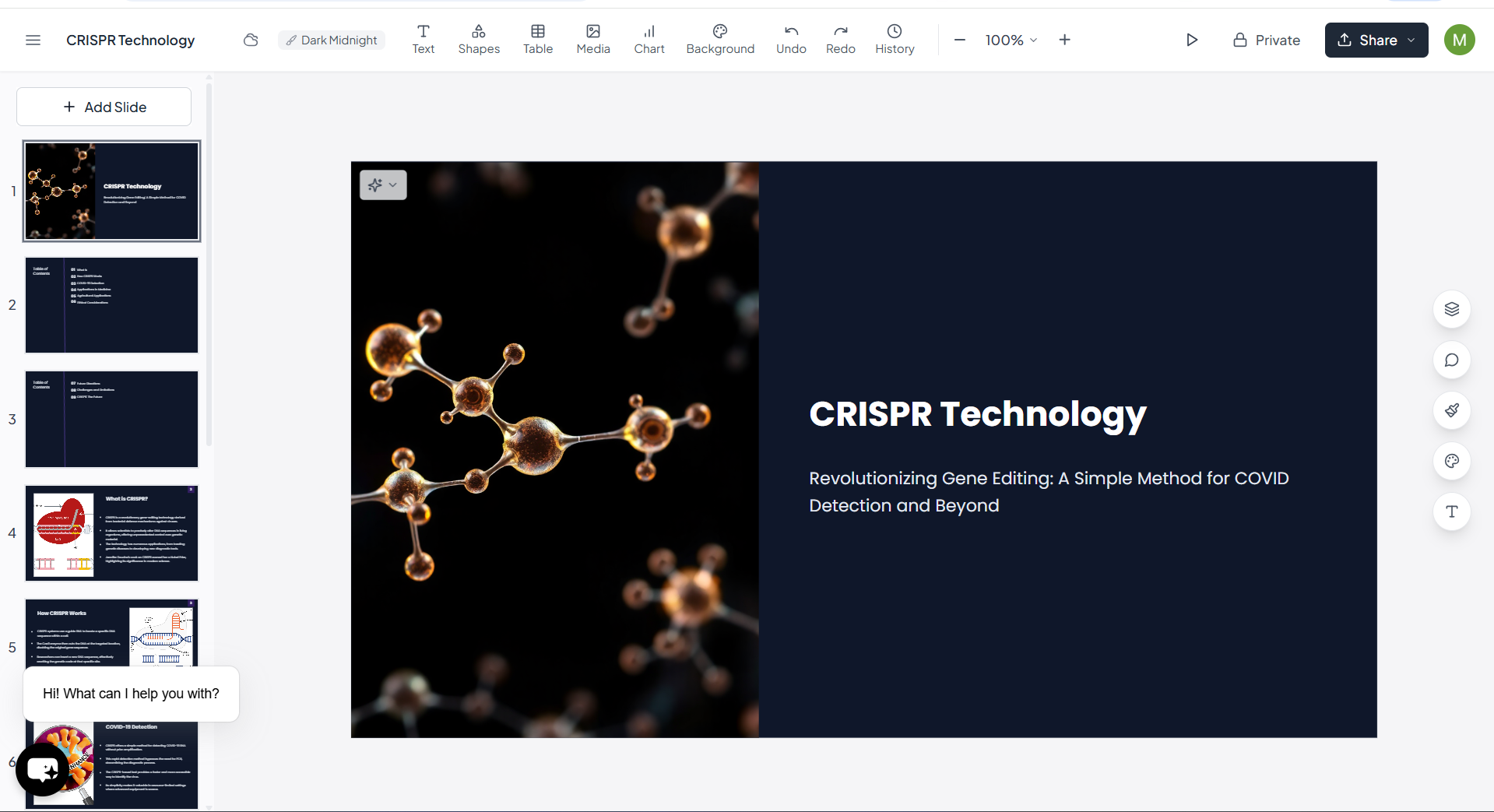
This approach is especially useful for students, educators, and professionals who need to create presentations quickly without compromising on quality. Whether you’re working on fundamental genetics or advanced research topics, the tool helps ensure your slides are well-organized, visually appealing, and easy to understand.
By using MagicSlides, you can focus more on understanding your topic and delivering your message, rather than spending hours designing slides manually.
Also Read: Interesting Biology Topics for Presentations: 100+ Captivating Ideas
Final Thoughts
Genetics is an ever-evolving field that touches almost every aspect of life, from healthcare to agriculture, and even our understanding of human behavior. Whether you are presenting to a class, at a conference, or simply exploring the topic for your own interest, the right choice of genetics topic can inspire curiosity and foster a deeper understanding of the world around us.
Remember, the key to an impactful presentation is not just the topic itself but how you convey it. Engage your audience with compelling narratives, clear visuals, and thought-provoking questions. Genetics, with its complexity and relevance, offers a unique opportunity to captivate and educate simultaneously. Choose a topic that resonates with you, and you’ll be well on your way to delivering an informative and engaging presentation.


