How Many Pages Should a Resume Be? A Detailed Guide to the Perfect Resume Length


Discover the ideal resume length based on career stage, industry, and experience, with tips for crafting a concise, impactful resume.
When it comes to crafting a resume, one of the most frequent questions is: How many pages should it be? The answer isn't as straightforward as it may seem.
The length of your resume depends on various factors, including your career stage, industry, and the amount of relevant experience you have.
In this blog post, we’ll explore the factors that influence resume length, provide tips for deciding how many pages yours should be, and debunk a few myths along the way.
The General Rule: Keep It Concise
Traditionally, the rule of thumb has been that a resume should be one page. This guideline was established when most professionals had shorter career spans and resumes were often printed and submitted by hand.
Today, with digital submissions and evolving career paths, this one-size-fits-all rule no longer applies as strictly. While brevity is still valued, certain roles or individuals may require more space to effectively showcase their skills and accomplishments.
Factors to Consider When Deciding Resume Length
1. Career Stage
- Entry-level or Early-career Professionals (0-5 years of experience):
For those just starting out, a one-page resume is typically recommended. As someone with limited work experience, you should focus on the most relevant education, internships, projects, or early work experiences. A concise one-page resume helps hiring managers quickly spot your key qualifications.
- Mid-career Professionals (5-10 years of experience):
As you gain more experience, it may be harder to fit all of your accomplishments onto a single page.
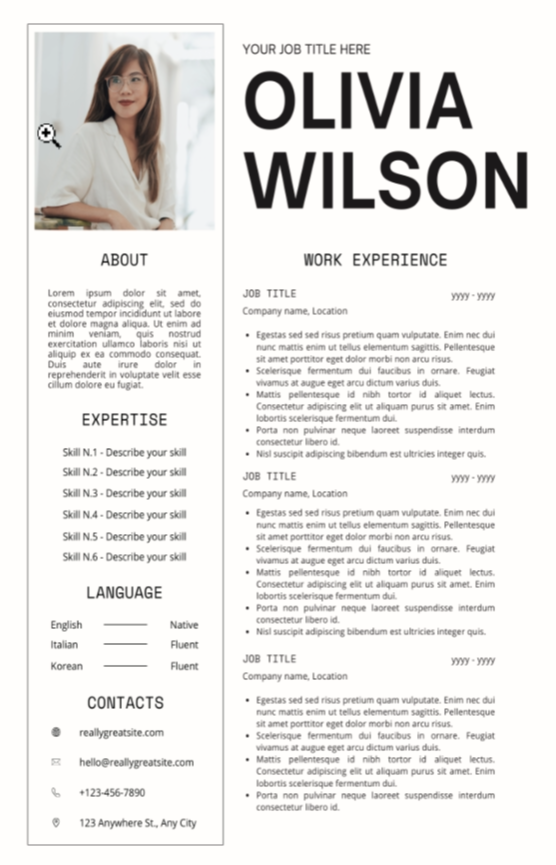
A two-page resume becomes acceptable, especially if your experience spans multiple roles or companies, and you're showcasing various skills and projects.
However, it’s crucial to avoid redundancy and focus on achievements, not just job descriptions.
- Senior-level Professionals (10+ years of experience):
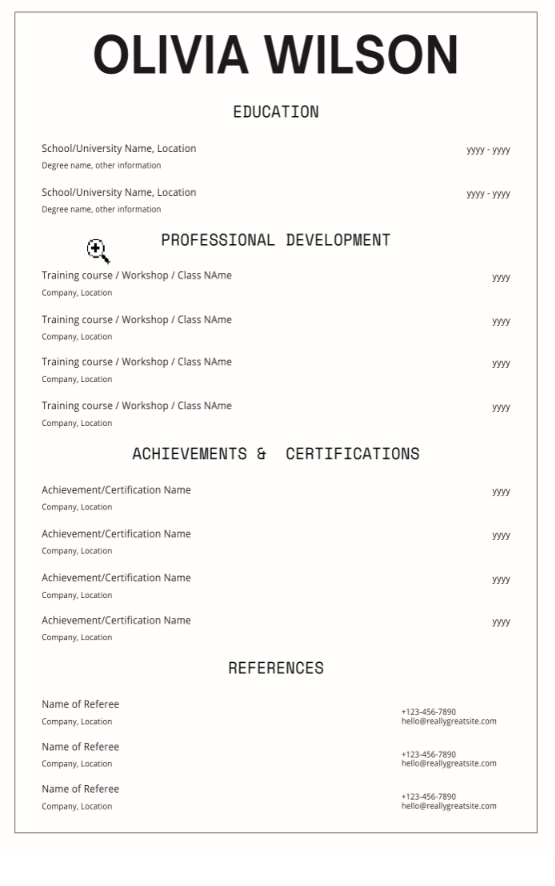
If you’ve had a lengthy career with many accomplishments, a two-page resume is often ideal. In some cases, especially for executives or professionals with extensive, relevant accomplishments, a three-page resume may be warranted.
It’s essential that every page offers value, with concise yet impactful summaries of roles, outcomes, and leadership experience.
2. Industry Expectations
- Creative industries (marketing, design, writing, etc.):
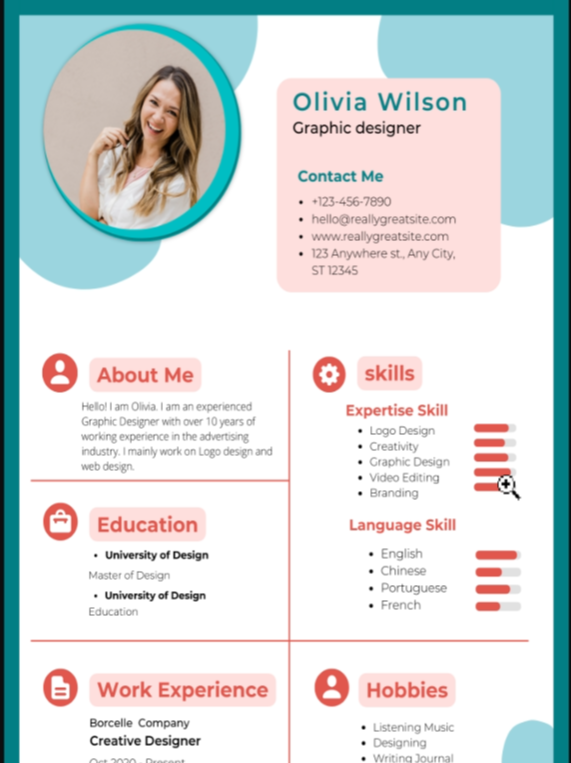
In fields that value creativity and innovation, hiring managers may expect shorter, visually appealing resumes that highlight your portfolio and key achievements concisely. A one-page resume may be the best fit for creative professionals unless there’s a compelling reason to extend it.
- Technical fields (engineering, IT, science):
In more technical roles, where certifications, projects, or tools are important to highlight, a two-page resume may be necessary to showcase relevant experience, technical expertise, and problem-solving skills. For academic or scientific careers, resumes often evolve into multi-page CVs (curricula vitae), where length is less of a concern.
- Government or Academia:
If you're applying for government jobs, academic positions, or research roles, the rules are different. In these fields, a multi-page CV (typically longer than a resume) is standard and often required. Here, the focus is on providing detailed records of your work, publications, and credentials.
3. Relevance and Focus
Regardless of career stage or industry, your resume should be as long as it needs to be to effectively convey your qualifications—without including unnecessary or irrelevant information. Tailoring your resume for each position you apply for is a must. If you're trimming down to fit a single page, make sure you aren't cutting out important achievements or details that are relevant to the role. Conversely, avoid padding your resume with every single task you’ve ever performed. Prioritize quality over quantity.
Tips for Finding the Right Resume Length
Tailor Every Resume to the Job:
Each job application should receive a customized resume. This means you’ll emphasize different skills or experiences depending on the role. By tailoring your resume, you can eliminate irrelevant information and stay within the appropriate length.
Use Action Verbs and Quantify Achievements:
A resume that’s too long may just be filled with fluff. Keep your descriptions focused by using action verbs (e.g., led, developed, increased) and quantifying your accomplishments where possible (e.g., "increased sales by 25%"). This approach not only keeps your resume concise but also highlights measurable impact.
Keep Formatting Clean and Professional:
Don’t shrink the font to 8-point size to squeeze more content into one page. Use a readable font size (10–12 points), ensure there’s enough white space, and maintain clear headings. If you’re tempted to reduce margins or spacing to fit more content, ask yourself if what you’re adding is truly necessary.
Consider a Hybrid Resume or Portfolio:
If you’re in a creative or technical field, you may benefit from using a hybrid resume or linking to an online portfolio. This allows you to keep the physical resume brief while offering more detailed insights into projects and creative works online. You could include a brief section with links to projects, portfolios, or professional social profiles (like LinkedIn or GitHub).
Avoid Overstuffing with Soft Skills:
Instead of listing generic soft skills (e.g., "team player," "strong communicator"), provide concrete examples that demonstrate these abilities. Mention when you led a team, navigated a complex project, or collaborated cross-functionally. This approach adds depth and eliminates unnecessary fluff, keeping your resume focused.
Debunking Resume Myths
- Myth 1: "A resume should always be one page."
While a one-page resume works well for many job seekers, particularly those early in their careers, it’s not a hard-and-fast rule. A resume should be as long as necessary to effectively present your qualifications while staying relevant and concise. Two pages are often acceptable for more experienced professionals.
- Myth 2: "Hiring managers don’t read past the first page."
Some believe that hiring managers won’t even look at the second page. While it’s true that the most important information should be on the first page (top third), this doesn’t mean the second page won’t get read. A recruiter may skim, but if your content is strong and targeted, they’ll appreciate the thoroughness.
- Myth 3: "A longer resume means more qualifications."
Adding length for the sake of it can dilute your resume’s impact. If your resume is packed with irrelevant experiences or minor achievements, it may actually hurt your chances. Keep it relevant and trim the excess.
Conclusion: How Many Pages Should Your Resume Be?
Ultimately, the length of your resume depends on your unique situation. Here’s a recap:
- One-page resumes are ideal for early-career professionals and those in creative fields where conciseness is key.
- Two-page resumes are appropriate for professionals with a broader range of experiences or those in technical fields.
- Three-page or longer resumes (or CVs) are usually reserved for academics, executives, or those with decades of experience.
Remember, the goal of your resume is to present your qualifications in the most effective and concise way possible.
Whether one page or two, the focus should always be on relevance and clarity. By understanding your career stage, industry expectations, and focusing on quality over quantity, you’ll be able to determine the perfect length for your resume—and make sure it stands out for all the right reasons.


