How to Create a Hanging Indent in PowerPoint: Easy Guide


Learn how to create a hanging indent in PowerPoint step by step. Format citations, references, and bibliographies with PowerPoint's built-in tools.
If you’re adding references, citations, bibliographies, or multi-line text to a PowerPoint presentation, a hanging indent can make your slides look cleaner and more professional. It keeps the first line aligned with the left margin while indenting the lines that follow.
PowerPoint includes built-in paragraph formatting options that let you create a hanging indent without manually adding spaces to each line. You can adjust the indentation to suit your slide layout and keep your references consistently formatted.
In this guide, we’ll show you how to create a hanging indent in PowerPoint step by step, including how to adjust the indentation and fix common formatting issues.
What Is a Hanging Indent in PowerPoint?
A hanging indent is a paragraph format where the first line stays at the left margin while the lines that follow are moved slightly to the right. This creates a clear visual structure and makes multi-line text easier to read.
Hanging indents are commonly used for APA references, MLA Works Cited entries, bibliographies, citations, and other reference lists. They are especially helpful on presentation slides where several sources need to fit into a limited amount of space.
For example, a reference without a hanging indent may look like this:
Smith, J. (2025). Introduction to digital learning. Academic Press.
Educational Research Journal, 12(3), 45–58.
With a hanging indent, the first line remains aligned while the subsequent line moves inward. This makes it easier to identify where each reference begins.
Now that you know what a hanging indent is, let’s look at how to create one in PowerPoint.
How to Create a Hanging Indent in PowerPoint?
Creating a hanging indent in PowerPoint is straightforward. You can apply it to a paragraph, citation, reference, or list by using the Paragraph settings.
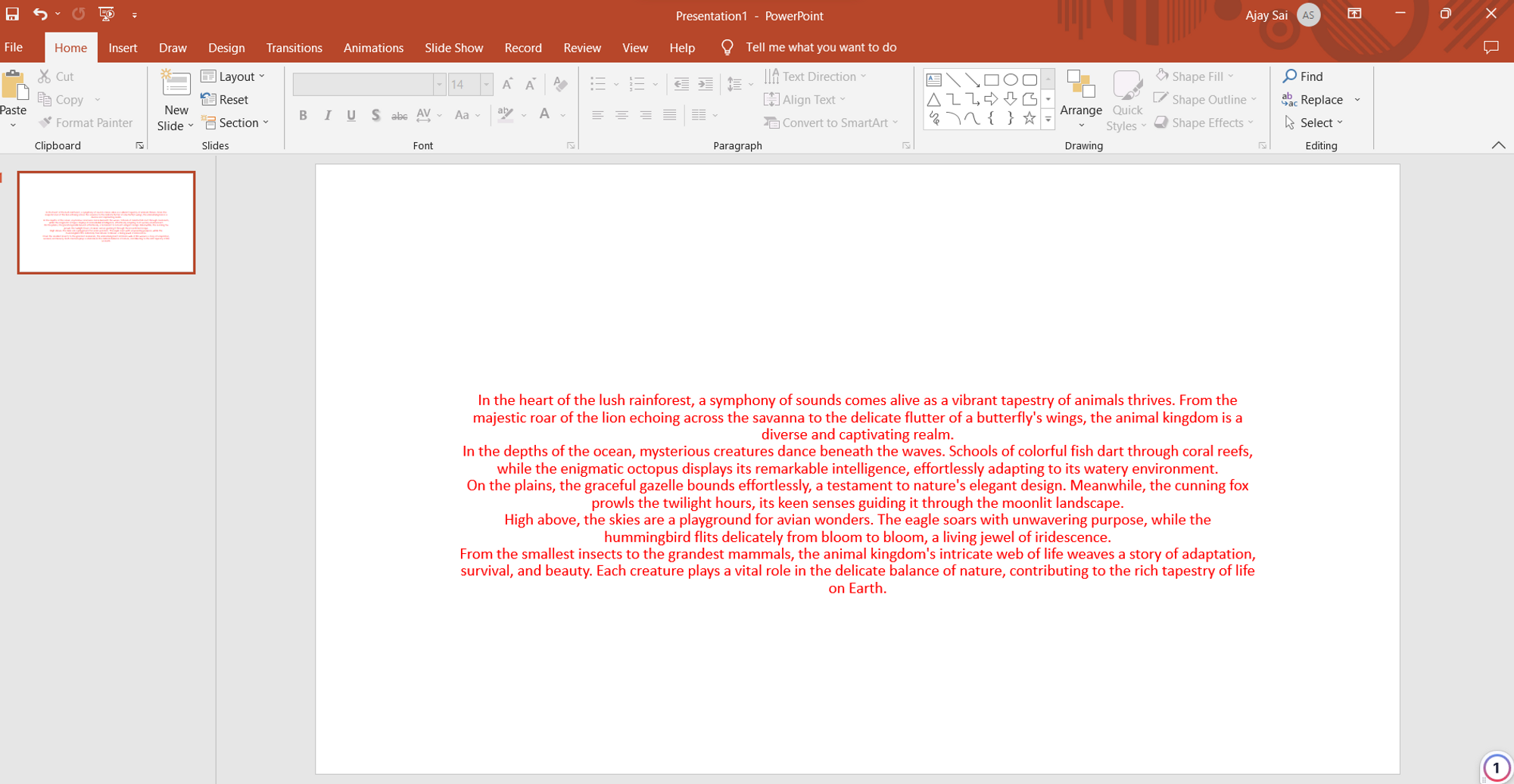
1. Add Your Text to PowerPoint
Open your PowerPoint presentation and go to the slide where you want to add the hanging indent. Add your citation, reference, paragraph, or list to a text box. Make sure the content is ready before applying the formatting.
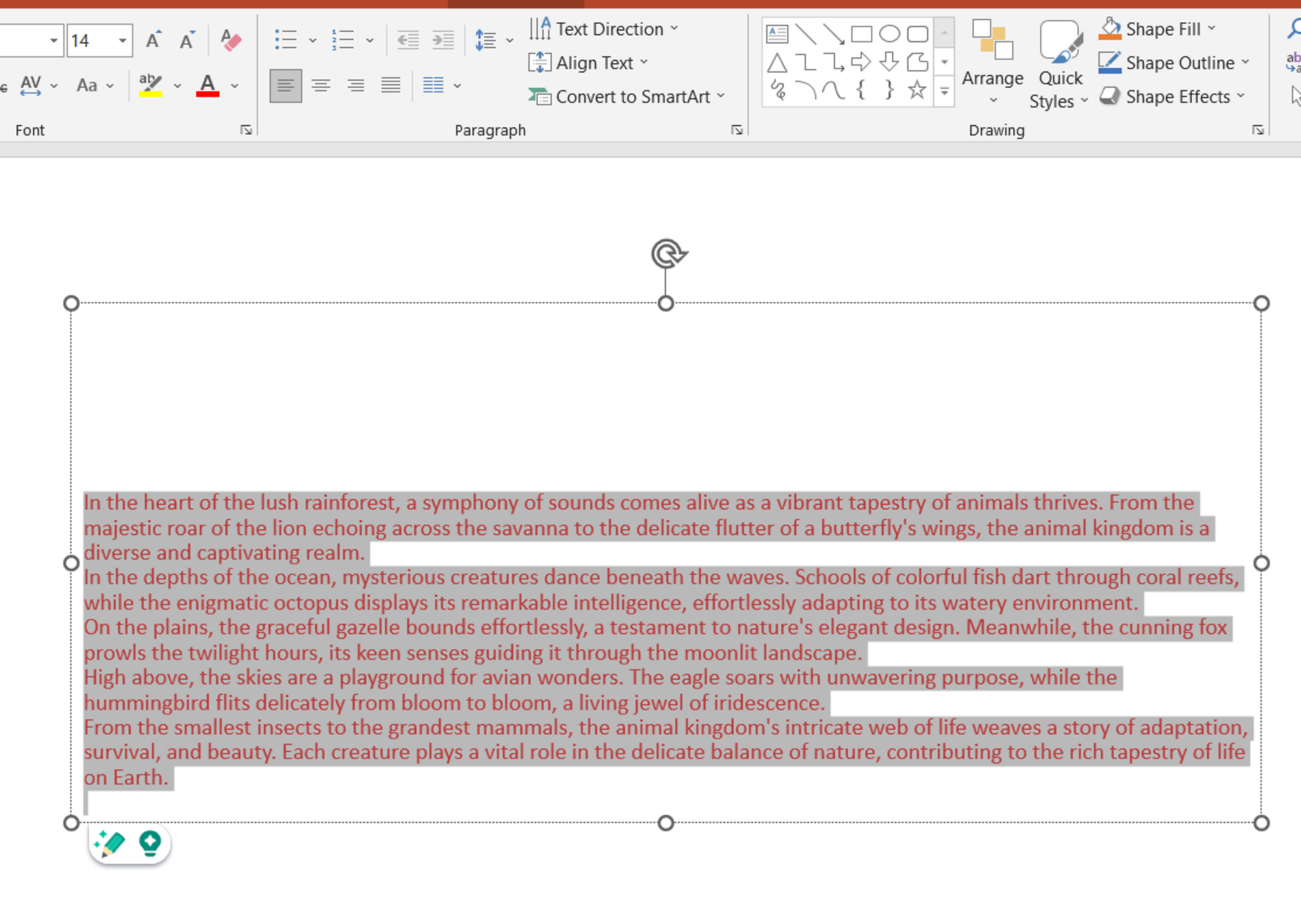
2. Select the Text
Highlight the text you want to format. If you’re working with multiple references or list items, select all the text that should have the same hanging indent.
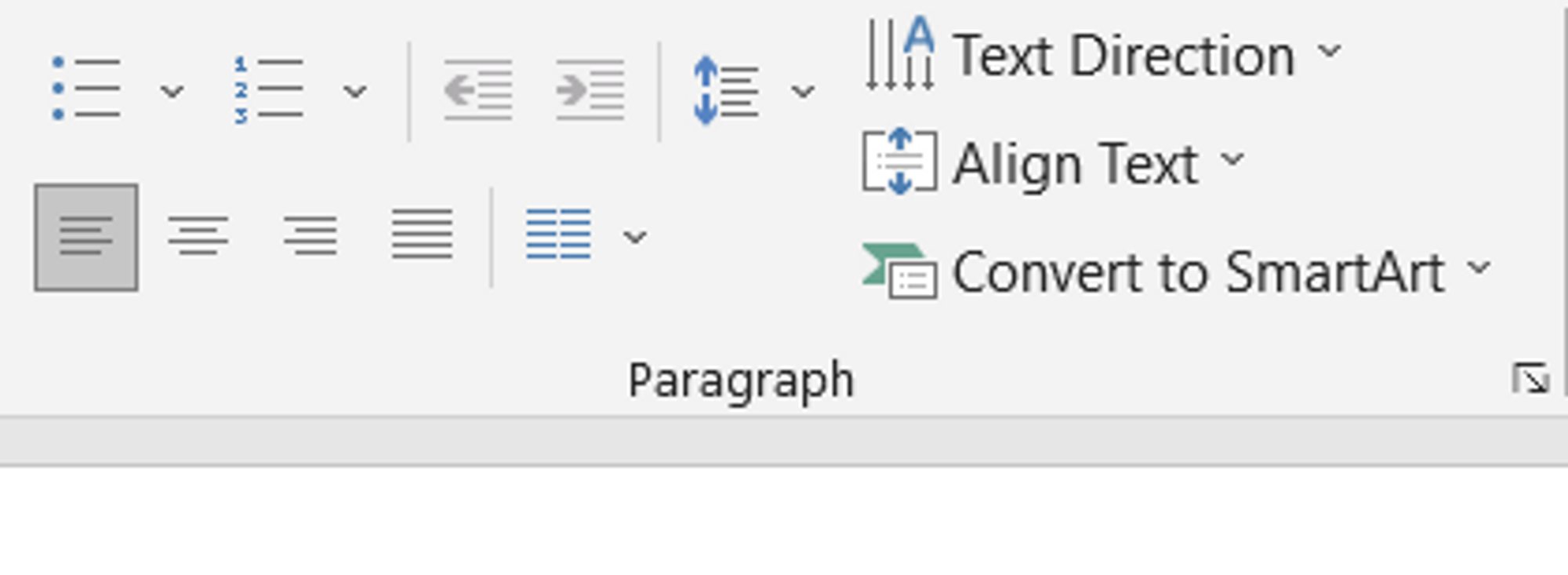
3. Open the Paragraph Dialog Box
Right-click the selected text and choose Paragraph from the menu. You can also access paragraph settings from the Home tab, depending on your version of PowerPoint.
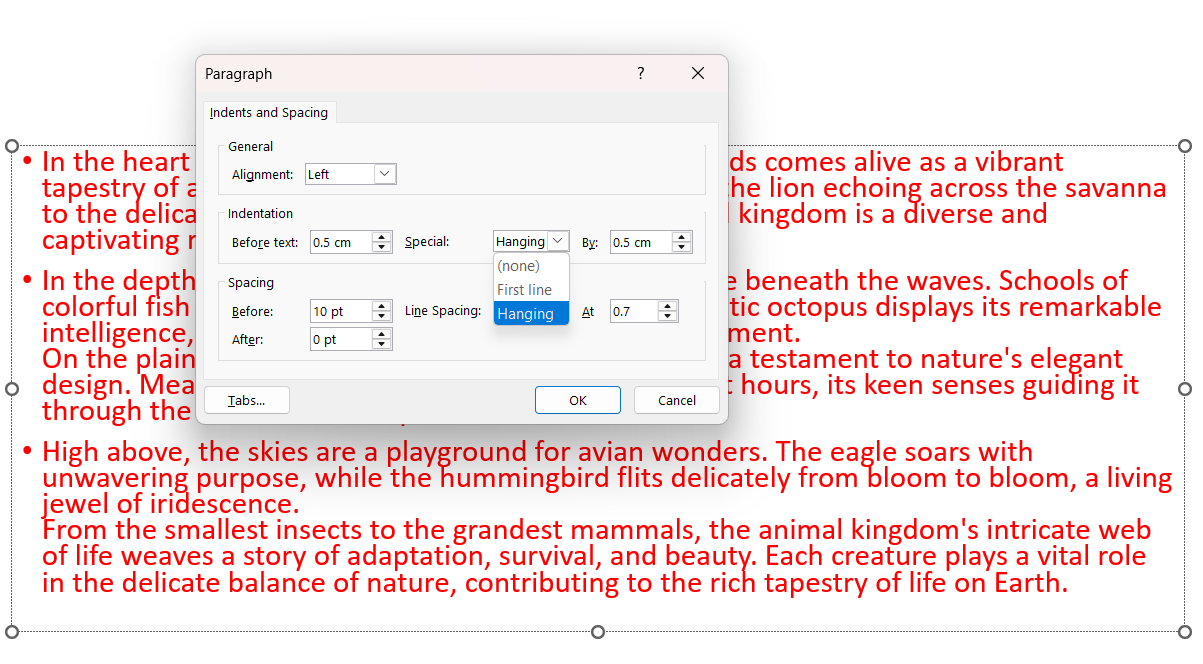
4. Select Hanging Under Special Indent
In the Paragraph dialog box, find the Indentation section. Open the Special dropdown menu and select Hanging.
Then, use the By field to set the amount of indentation. For example, you might choose 0.7 inches for a reference slide, depending on your layout.
5. Apply the Changes
Once you’ve selected the desired indentation, click OK.
PowerPoint will apply the hanging indent to the selected text. The first line will stay at its original position while the following lines move inward.
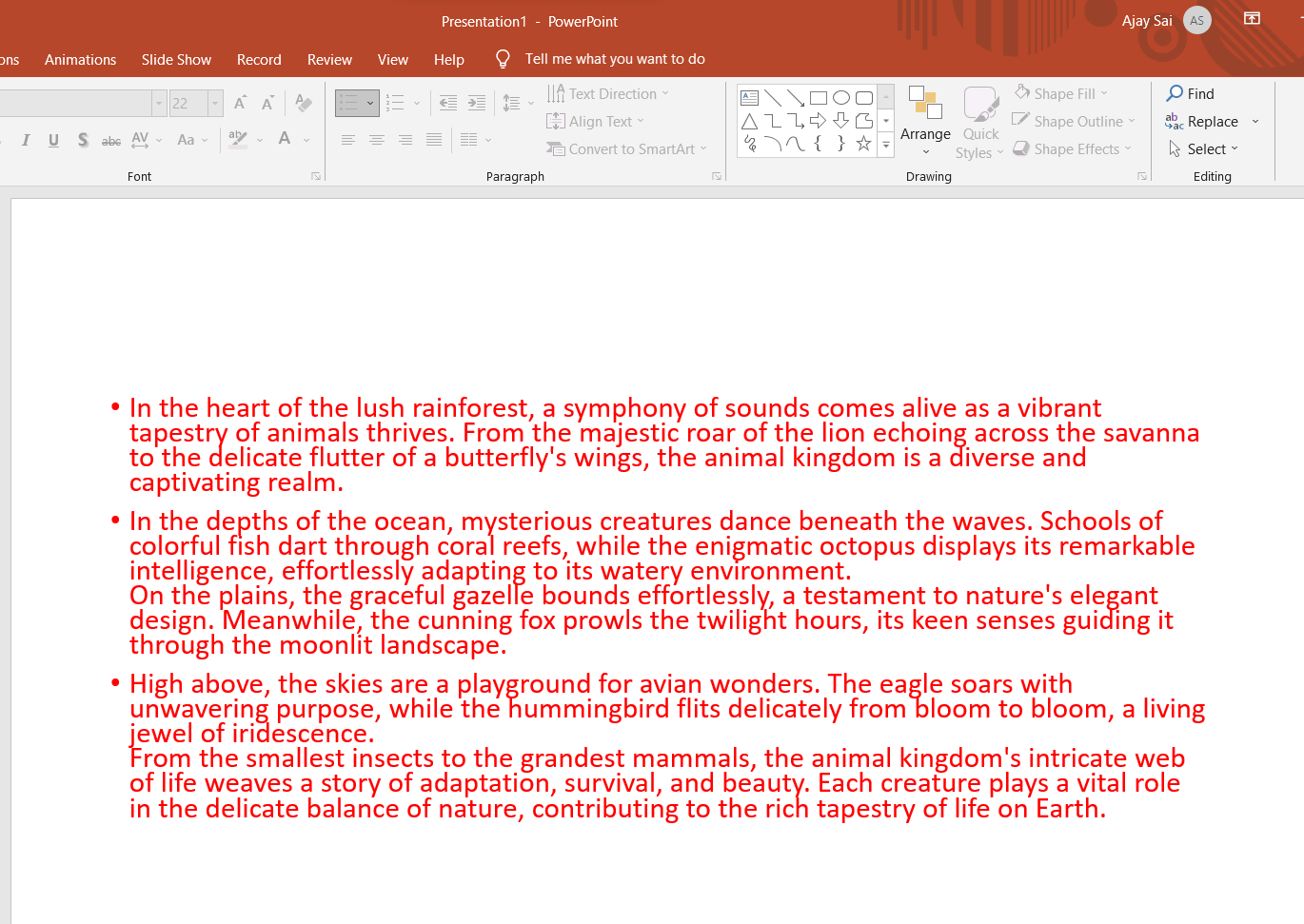
6. Check the Result
Review the text on your slide to make sure the indentation looks balanced.
If the indent is too large or too small, select the text again and adjust the By value until you’re satisfied with the result.
Quick Recap:
Select text → Right-click → Paragraph → Special → Hanging → Adjust By → OK
That’s it. Your PowerPoint text now has a hanging indent without requiring manual spaces.
How to Use Hanging Indents for References in PowerPoint?
Hanging indents are particularly useful when creating a references or citations slide. They help separate individual sources while keeping multi-line references organized.
Format APA References
If your presentation includes APA references, apply a hanging indent to each reference so the first line stays aligned and subsequent lines are indented.
This makes longer references easier to scan without taking up unnecessary horizontal space.
Format MLA Works Cited Entries
Hanging indents are also commonly used for MLA Works Cited entries. Select your entries and apply the same Hanging indentation setting from the Paragraph dialog box.
Keep Your Reference Slide Readable
Avoid putting too many references on one slide. If the text becomes difficult to read, consider:
- Splitting references across multiple slides
- Increasing the text box width
- Using a readable font size
- Keeping consistent spacing between entries
- Applying the same hanging indent to every reference
A consistent indentation style can make even a text-heavy reference slide look much more organized and professional.
Hanging Indent Not Working in PowerPoint?
If your hanging indent doesn’t look right, try these quick fixes:
- Select the full text: Make sure the entire paragraph or reference is selected before applying the indent.
- Check the Special setting: Confirm that Hanging is selected under Paragraph → Indentation → Special.
- Adjust the By value: Increase or decrease the value until the indentation looks right.
- Check the text box width: A narrow text box can create unexpected line breaks.
- Avoid manual spaces: Remove spaces added to create an indent manually and use PowerPoint’s built-in formatting instead.
If the formatting still looks unusual, reset the paragraph formatting and apply the hanging indent again.
How to Remove a Hanging Indent in PowerPoint?
If you want to return your text to its normal alignment, you can remove the hanging indent through the same Paragraph settings.
- Select the text with the hanging indent.
- Right-click and choose Paragraph.
- Under Indentation, open the Special dropdown.
- Select None and click OK.
The text will return to its regular paragraph alignment. You can also use the By field to reduce the indentation if you only want to make the hanging indent smaller rather than remove it completely.
Create Presentations Faster With MagicSlides
Formatting references is only one part of creating a polished PowerPoint presentation. If you’re starting with a topic, research, PDF, or document, creating every slide from scratch can take a lot of time.
MagicSlides is an AI Presentation Maker to help you turn your ideas and existing content into structured presentations faster. You can generate a presentation, customize the slides, and refine the content to fit your needs.

Whether you’re creating a school project, research presentation, business pitch, or work presentation, MagicSlides can help you get a polished starting point without building every slide manually.
Create your presentation with MagicSlides AI→
Conclusion
Learning how to create a hanging indent in PowerPoint can make references, citations, and other multi-line text much easier to organize. By using Paragraph → Indentation → Special → Hanging, you can format your text without manually adding spaces.
You can adjust the By value to control the indentation and create a clean, consistent look across your presentation.
And if you want to spend less time building your presentation from scratch, MagicSlides can help you turn your ideas, research, or existing content into polished presentations faster with AI.
Frequently Asked Questions
Q1. How do I create a hanging indent in PowerPoint?
Select the text, right-click, and choose Paragraph. Under Indentation, select Hanging from the Special dropdown and adjust the By value as needed.
Q2. How do I make a hanging indent for citations in PowerPoint?
Select your citation and open the Paragraph settings. Choose Hanging under Special, then adjust the indentation to fit your reference slide.
Q3. Can I use a hanging indent for PowerPoint references?
Yes. Hanging indents are useful for formatting APA references, MLA Works Cited entries, bibliographies, and other multi-line citations.
Q4. How do I remove a hanging indent in PowerPoint?
Select the formatted text, open Paragraph, and change the Special indentation setting from Hanging to None.
Q5. Why is my hanging indent not working in PowerPoint?
Make sure the complete text is selected and that Hanging is selected under Paragraph → Indentation → Special. You can also adjust the By value or widen the text box if the formatting looks incorrect.


